
Based in Pocahontas State Park
Serving Chesterfield County and the Greater Richmond Area



Welcome to the Virginia Master Naturalist Pocahontas Chapter!
Applications for the Pocahontas Chapter open on October 1 and close on November 16 for our basic training classes beginning January, 2027.
Interested in becoming a Virginia Master Naturalist?
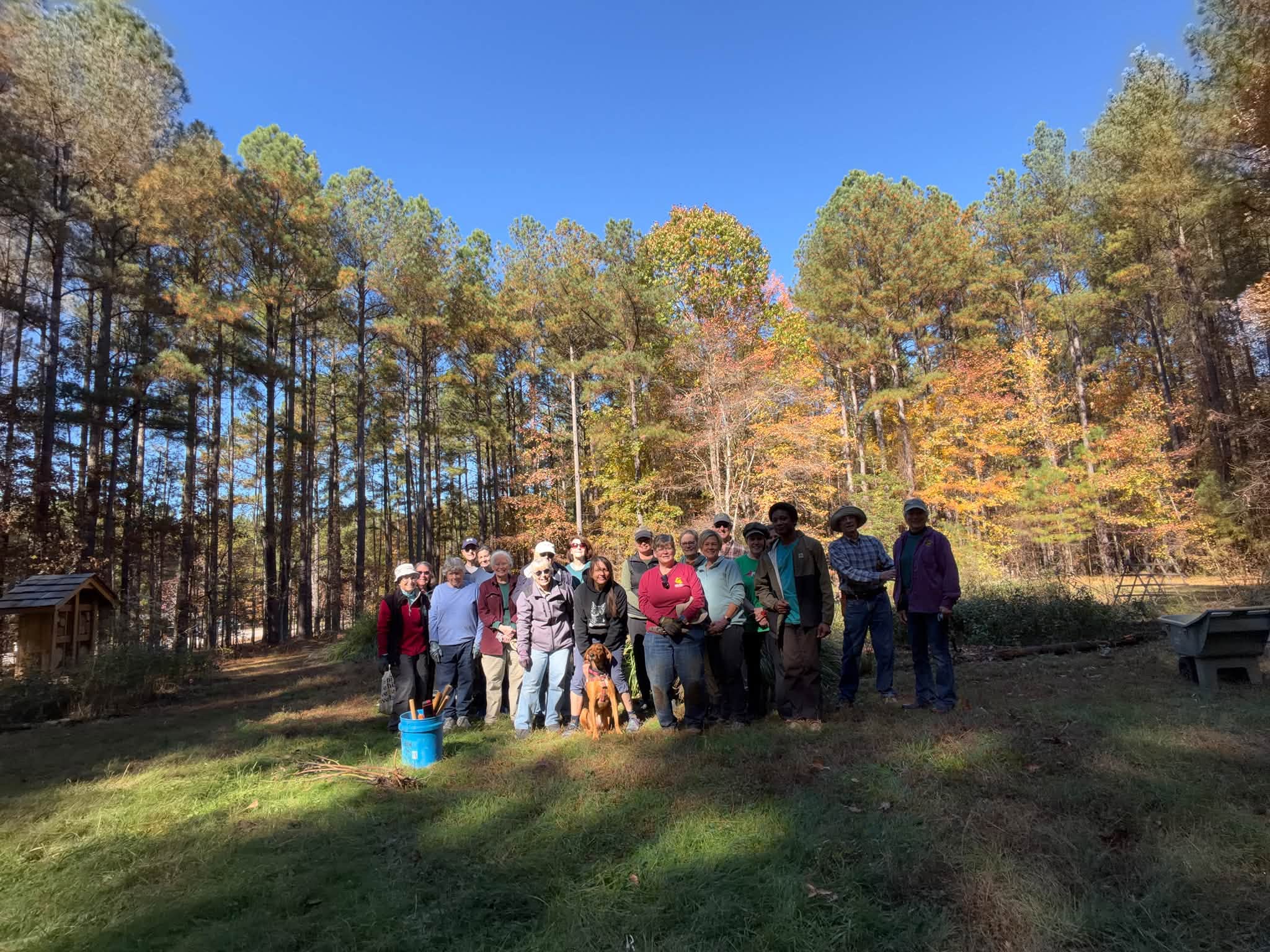
Pocahontas Chapter volunteers help to conserve and manage our our community's natural resources through education, citizen science and stewardship efforts. We are proud of our special place in the Commonwealth and find pleasure in our work to benefit Virginia's woods, waters, and wildlife for all to enjoy.
The unique geological features Central Virginia are integral to the rich ecosystem and abundant history of our area. Specifically, we find ourselves in a rare meeting point of three major geological regions:
-
Petersburg Granite Central Bedrock – Used extensively in regional construction
-
Richmond Basin – Rich in bituminous coal that fostered the first commercially mined coalfield in the country, along with serving to preserve ancient plant and reptile fossils.
-
Coastal Plain Sediments – Supplies groundwater for municipal and industrial needs, construction and infrastructure materials, and landscapes perfectly suited for settlement and farming.
The James River Fall Line Runs through Richmond, separating the 330-million-year-old Petersburg Granite from the 100-million-year-old Coastal Plain, and it marks the transition from hard, erosion-resistant stone to deposits of sediment and fossil beds. The Fall Line prevented ship navigation upstream, and dictated early placement of the city, while providing formidable waterpower enabling its growth.
No less than eight tributaries feed the Swift Creek Reservoir in Chesterfield County, creating diverse habitat for fish, plants, animals, and insects and providing 20 percent of the county's drinking water.

Planning a visit to Pocahontas State Park?
At nearly 8,000 acres, Pocahontas State Park is Virginia's largest state park. Just 20 miles from Richmond, Pocahontas offers boating, picnicking, camping, camping cabins, 90-plus miles of trails, and nature and history programs.
Our chapter created an Explorer's Guide series for budding naturalists! These guides information to help identify the birds, butterflies, and trees found in the park and a checklist so that you can record what you see on your visit.. Stop by the Visitor Center for more information.
Our volunteers were busy last year!

Supporting Organizations






Virginia Cooperative Extension is a partnership of Virginia Tech, Virginia State University, the U.S. Department of Agriculture (USDA), and local governments, and is an equal opportunity employer. For the full non-discrimination statement, please visit ext.vt.edu/accessibility.